Notas desde el istmo.
Mercado, zonas, inversión y vida cotidiana en Panamá. Sin postales: datos verificados, voces honestas y la lentitud necesaria para entender un país.
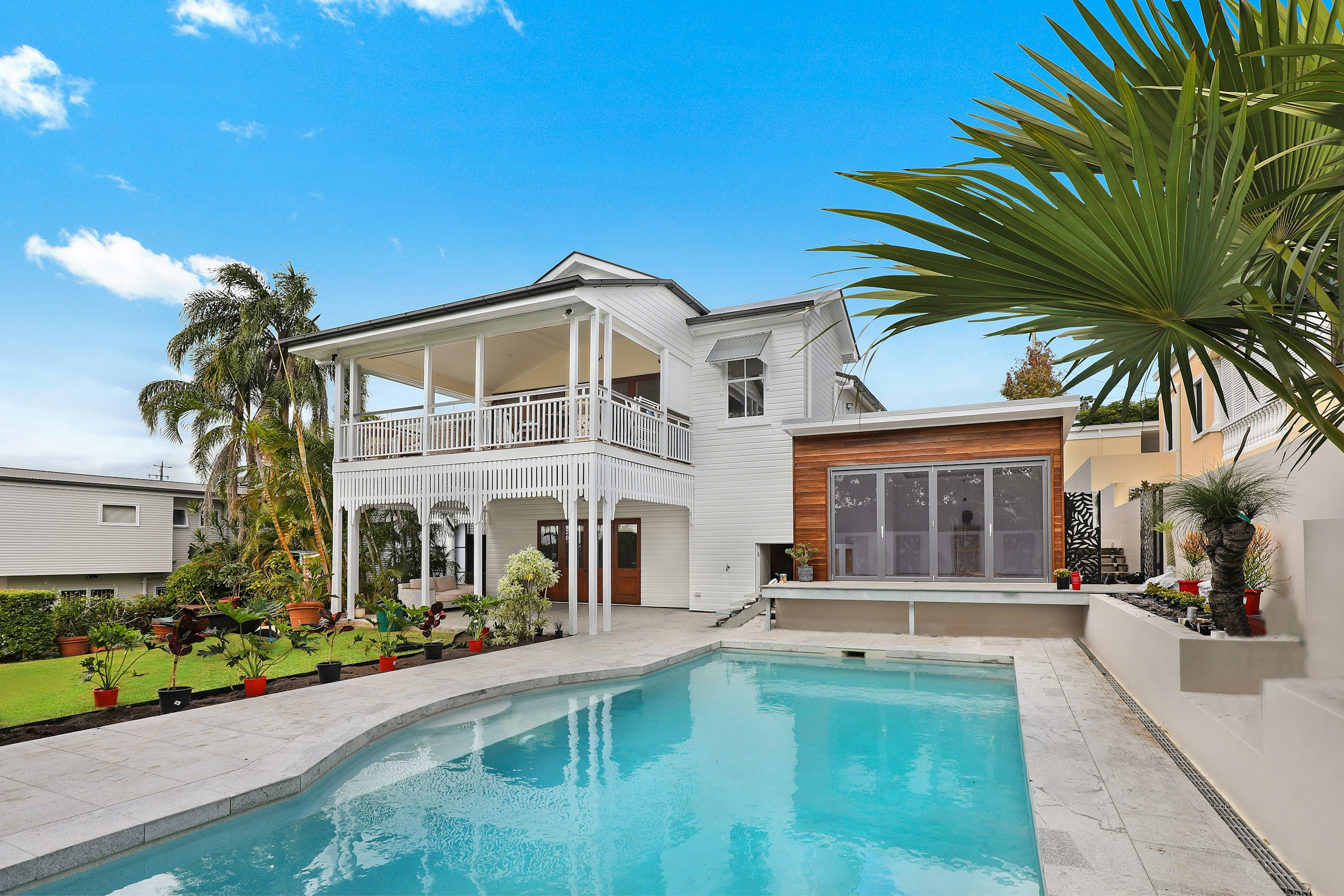
71 of Panama's 81 districts grow without a territorial plan. For metro Panama City buyers, the boundary is part of the deal.
MIVIOT is spending more than $5 million to draft Planes de Ordenamiento Territorial for the districts where most growth around Panama City is happening. Where the planning line lands shapes risk, price, and what your property is allowed to become.

How to vet a Panama real estate broker before you sign anything
Panama's brokerage industry is licensed and the trade association publishes its membership. Yet the verification work falls almost entirely on the buyer. A practical checklist for foreigners arriving in Panama City.

Panama City building permits jumped 31% year-over-year. The 15-agency approval maze is what's still capping supply.
Construction permit values in metropolitan Panama City climbed 31.2% in the first four months of 2026, reversing two consecutive years of decline. The supply response is real but uneven, and the bottleneck is procedural rather than financial.
How foreign buyers actually hold property in Panama: corporations, fideicomisos, and the practical trade-offs
Foreign buyers in metropolitan Panama City rarely hold property in their own name. Three legal vehicles dominate the choice. Here is how they differ in liability, succession, and the recurring costs most attorneys do not surface upfront.
Panama lobbies Sweden to exit the EU's tax non-cooperation list. For European property buyers, the listing is the hidden friction tax.
Panama's foreign minister is in Stockholm pressing Sweden for support on removal from the EU tax non-cooperation list. For European buyers in metro Panama City, the listing's cost shows up in wire queues, due-diligence, and notary disclosures.
Panama brings the IFC into its infrastructure pipeline. For metro Panama City buyers, three highway corridors are the test case.
On June 9, Panama's Cabinet authorized a framework with the World Bank's IFC to screen public-private partnership projects. Three of the highways in the pipeline shape metro property values.
Panama's preferential mortgage portfolio fell 34% in early 2026
Panama's state-subsidized housing finance pipeline contracted between January and April, the Superintendency of Banks reported. What the data signals for metropolitan demand and developer cash flow.
BAC absorbs Multibank to become Panama's second-largest bank. For foreign property buyers, the account-opening map just narrowed
BAC closed its absorption of Multibank on June 10 to become Panama's second-largest bank by portfolio. For foreign property buyers, the consolidation narrows the already-short list of institutions that actively onboard non-resident clients.
71 of Panama's 81 districts still grow without a territorial master plan. What that vacuum means for metropolitan buyers
MIVIOT's Vice Minister confirmed in June that only ten districts have an approved Plan de Ordenamiento Territorial. For buyers in metropolitan Panama City, that gap explains more than the unfamiliar skyline.
Panama City's 45-day minimum rental rule: the statute foreign buyers keep discovering after closing
Law 80 of 2012 prohibits residential rentals shorter than 45 days inside the District of Panama. Law 284 of 2022 lets buildings tighten the floor further. Sanctions run from $5,000 to $50,000.
The Casco Antiguo restoration grammar: how a 17th-century shell becomes a 2026 apartment
Panama City's UNESCO-listed historic district imposes a tight architectural vocabulary on every restoration. Here is what that vocabulary preserves, what it forbids, and why the discipline shapes every transaction inside the old quarter.
Real estate dominates Panama's consumer-complaint docket: what Acodeco's January–April 2026 data shows
Real estate accounted for roughly 70 cents of every dollar in formal consumer complaints filed with Panama's Acodeco through April 2026. A closer reading of the numbers.